Rapa Nui - Easter Island
Click to enlarge images - X to return
Discover Rapa Nui
“And then there is the most dangerous risk of all. The risk of spending your life not doing what you want on the bet that you can buy yourself the freedom to do it later.”
Randy Komisar
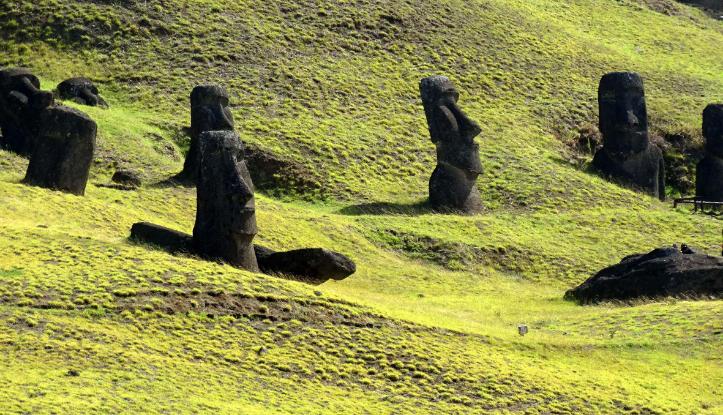
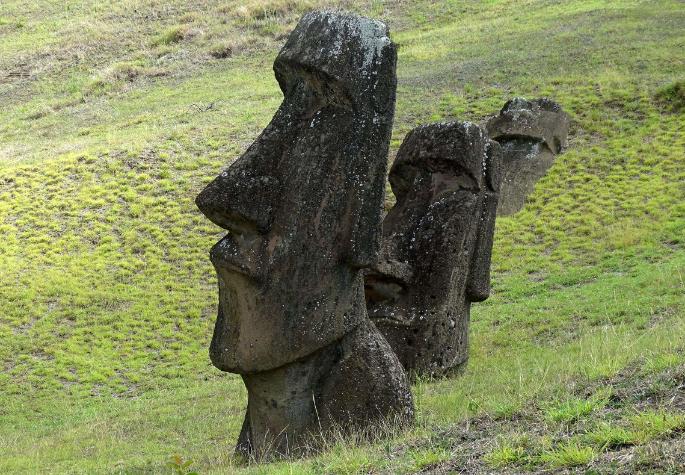
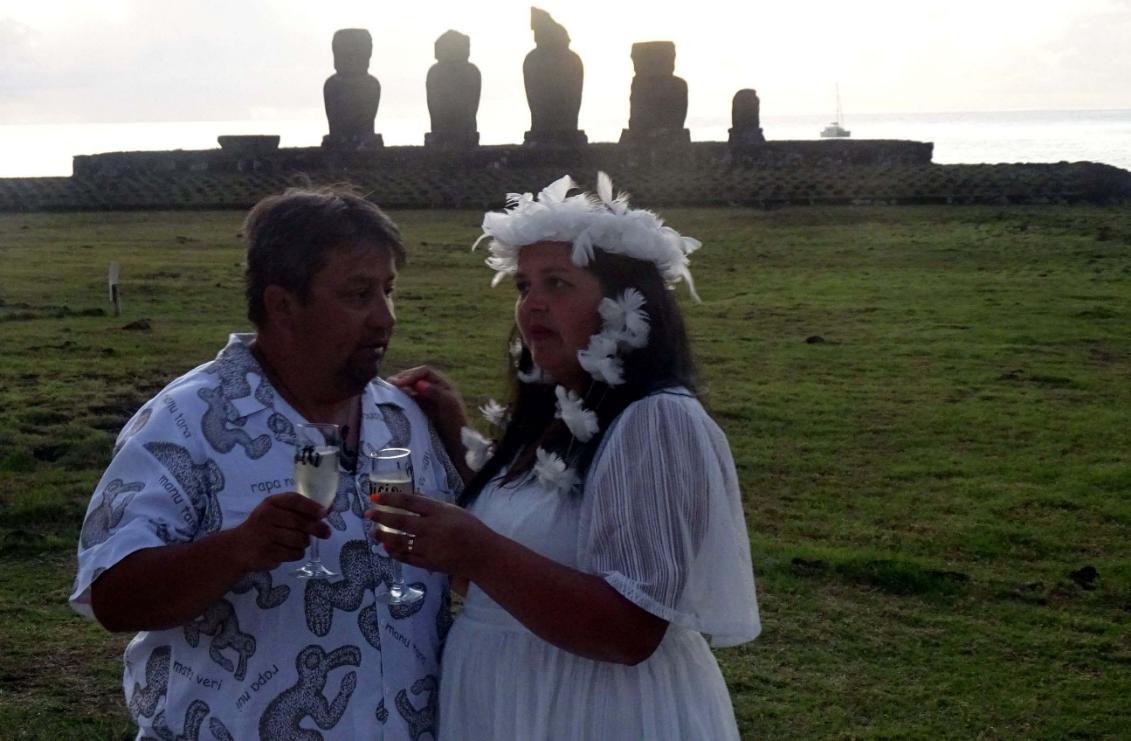
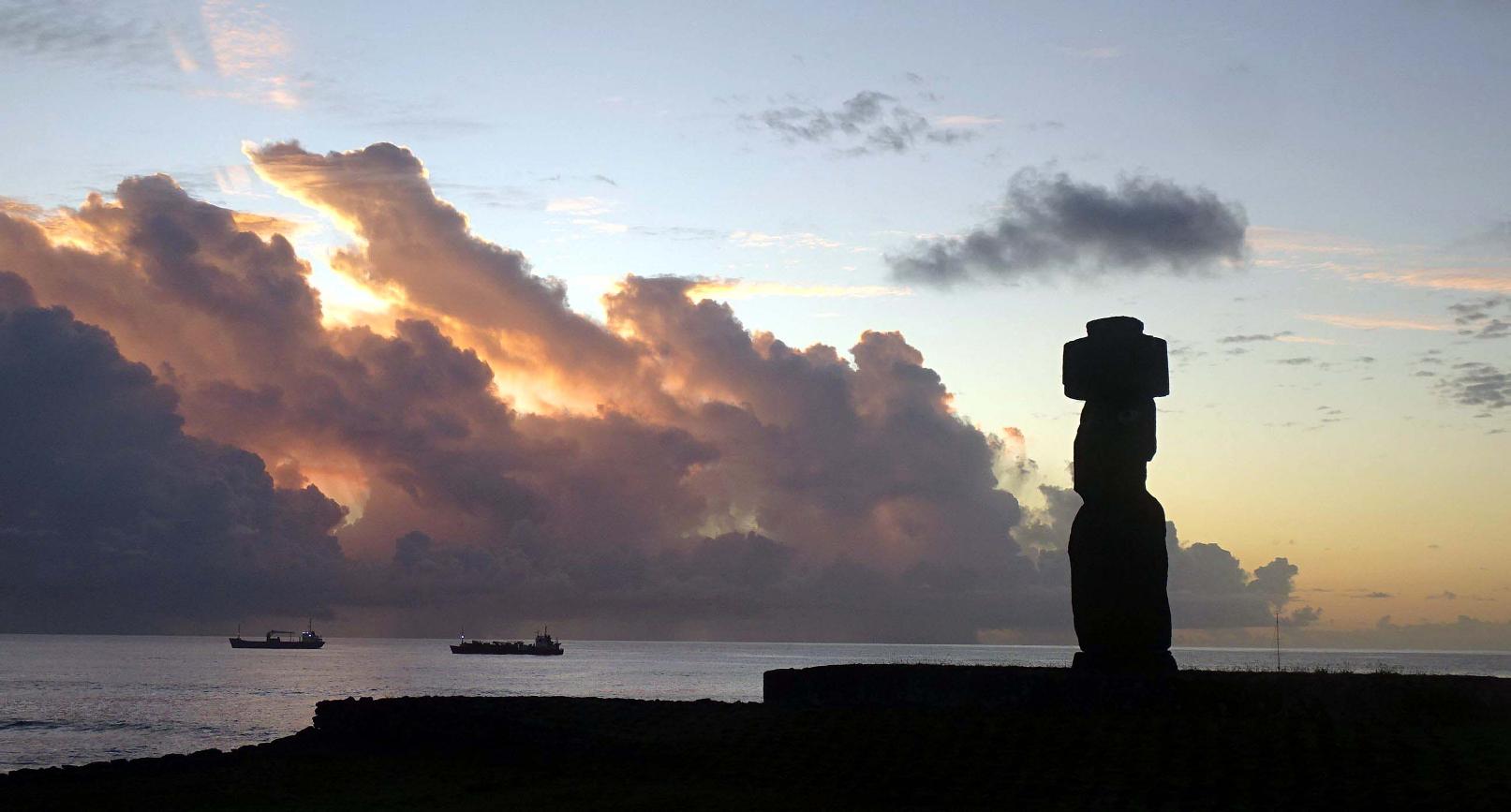
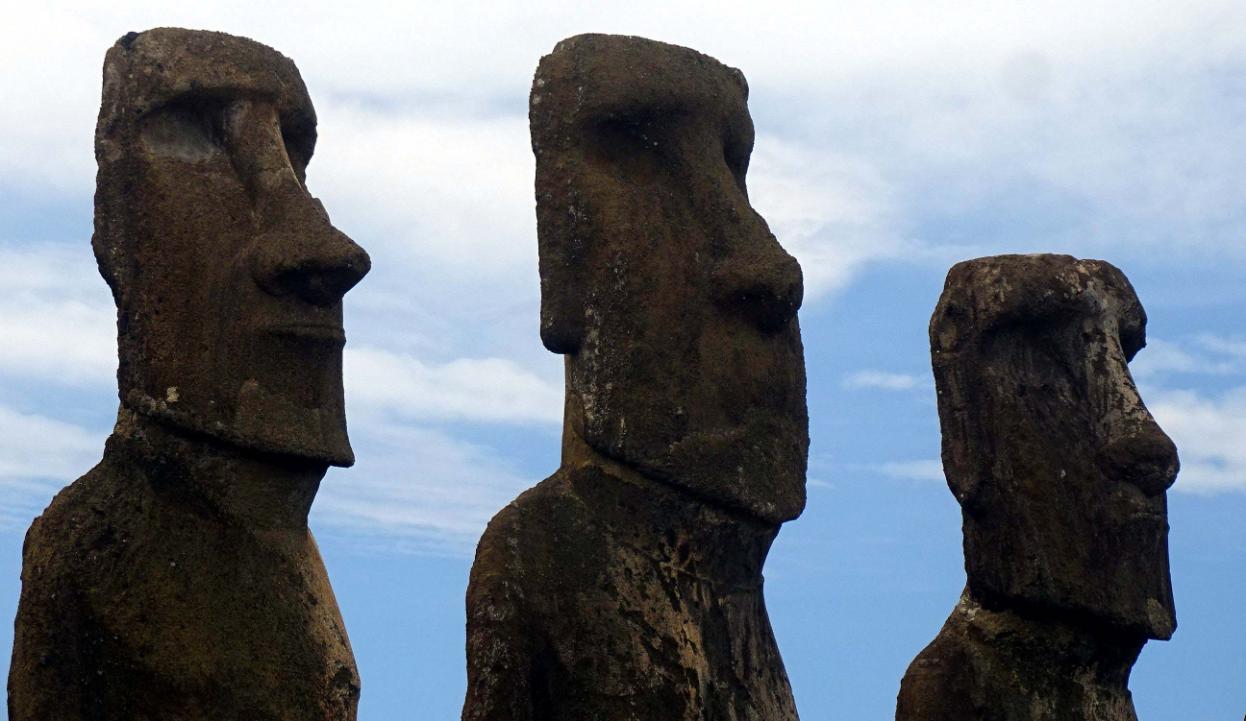
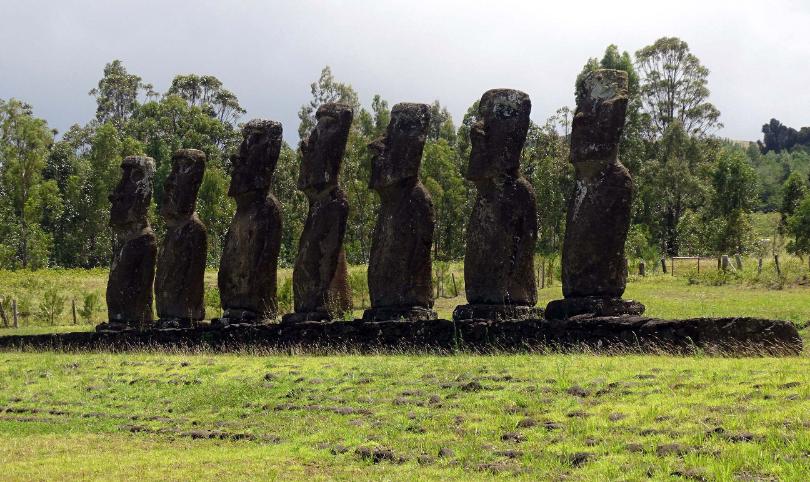
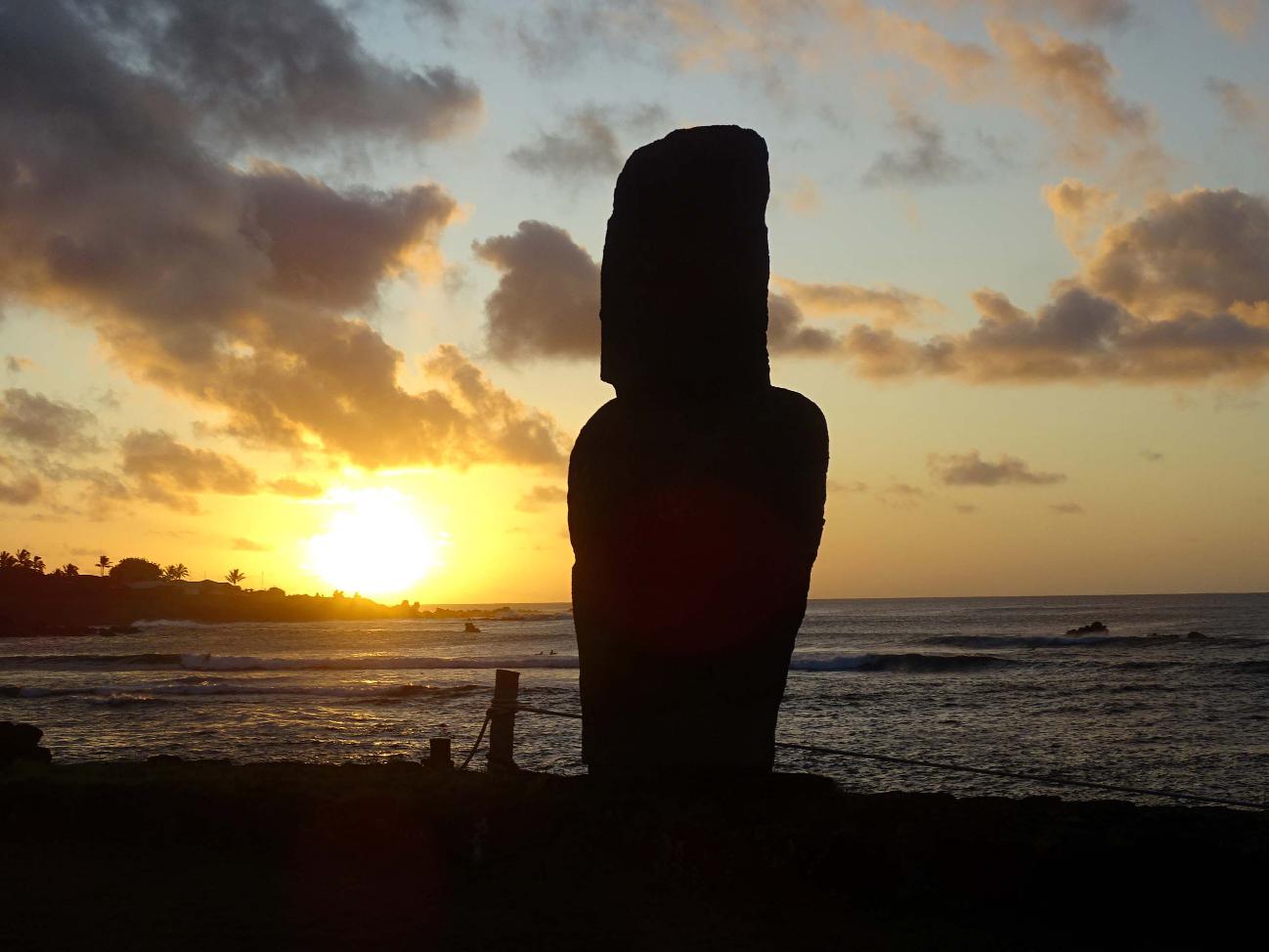
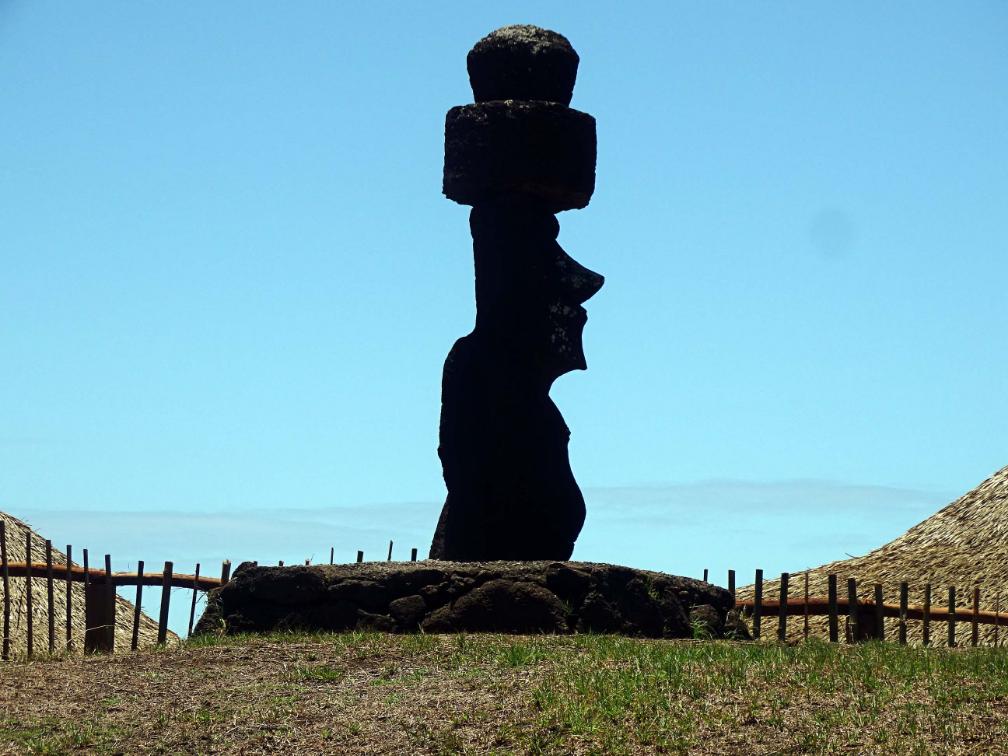
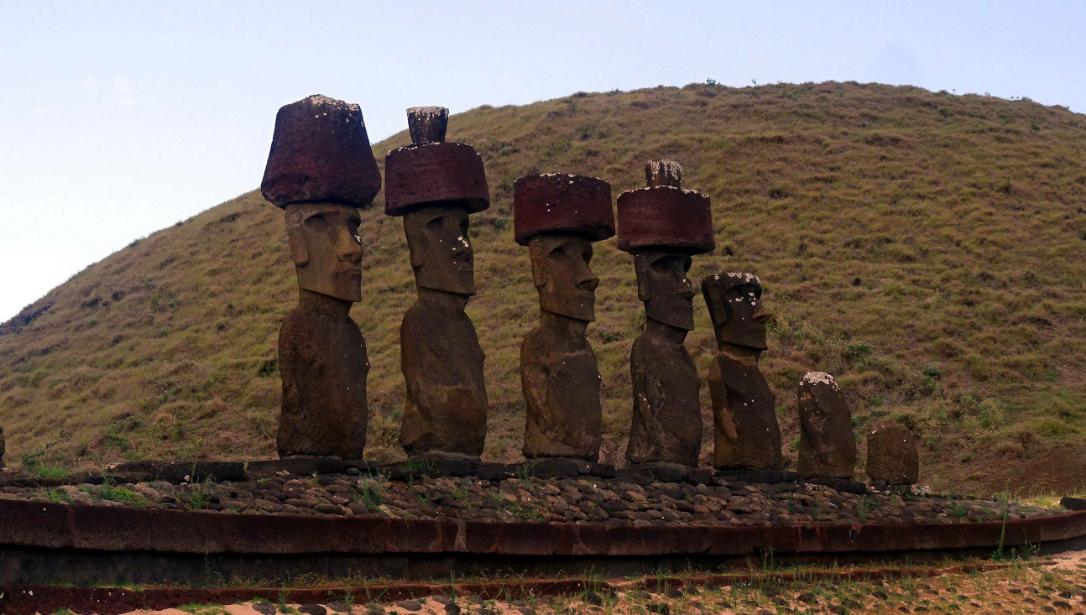
Lonely. An eerie, desolate wind howled through the stately Moai. Unaffected, they remained at their post, guarding the secrets of their creation, their very existence. Like sirens of the Odyssey, they beckoned us to come ever closer, if we dared. 3,700 km off the Chilean coast, remote as the Hawaiian Islands, Rapa Nui, or Easter Island, is home to the Moai statues, carved out of solid rock and mysteriously transported for miles over rugged terrain to their perches high above the endless ocean below. Vigilant, stoic, unyielding.
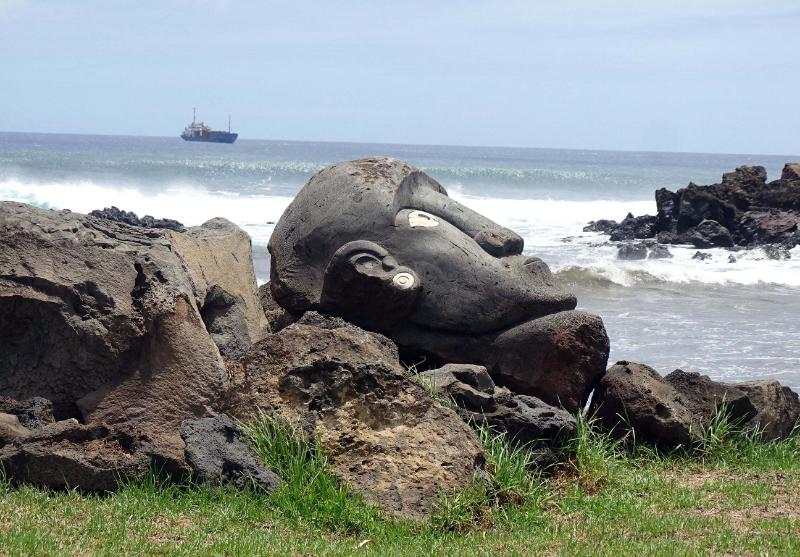
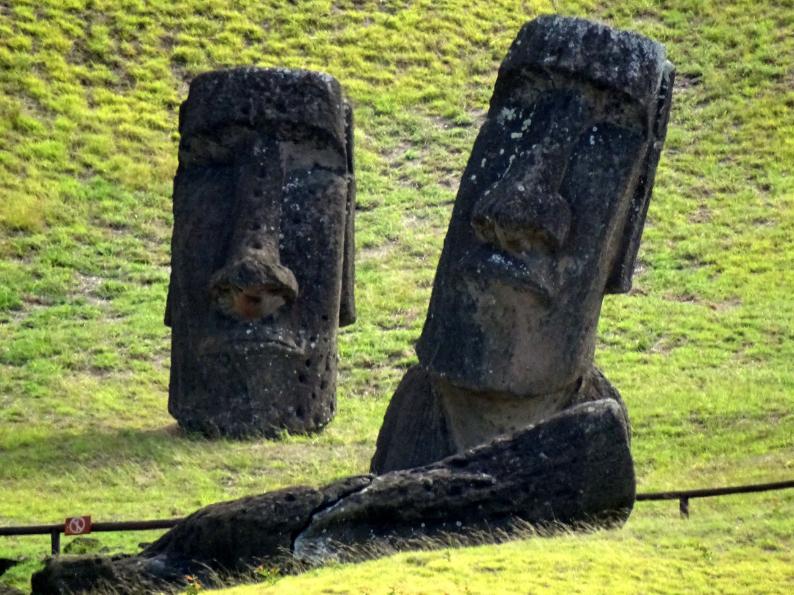
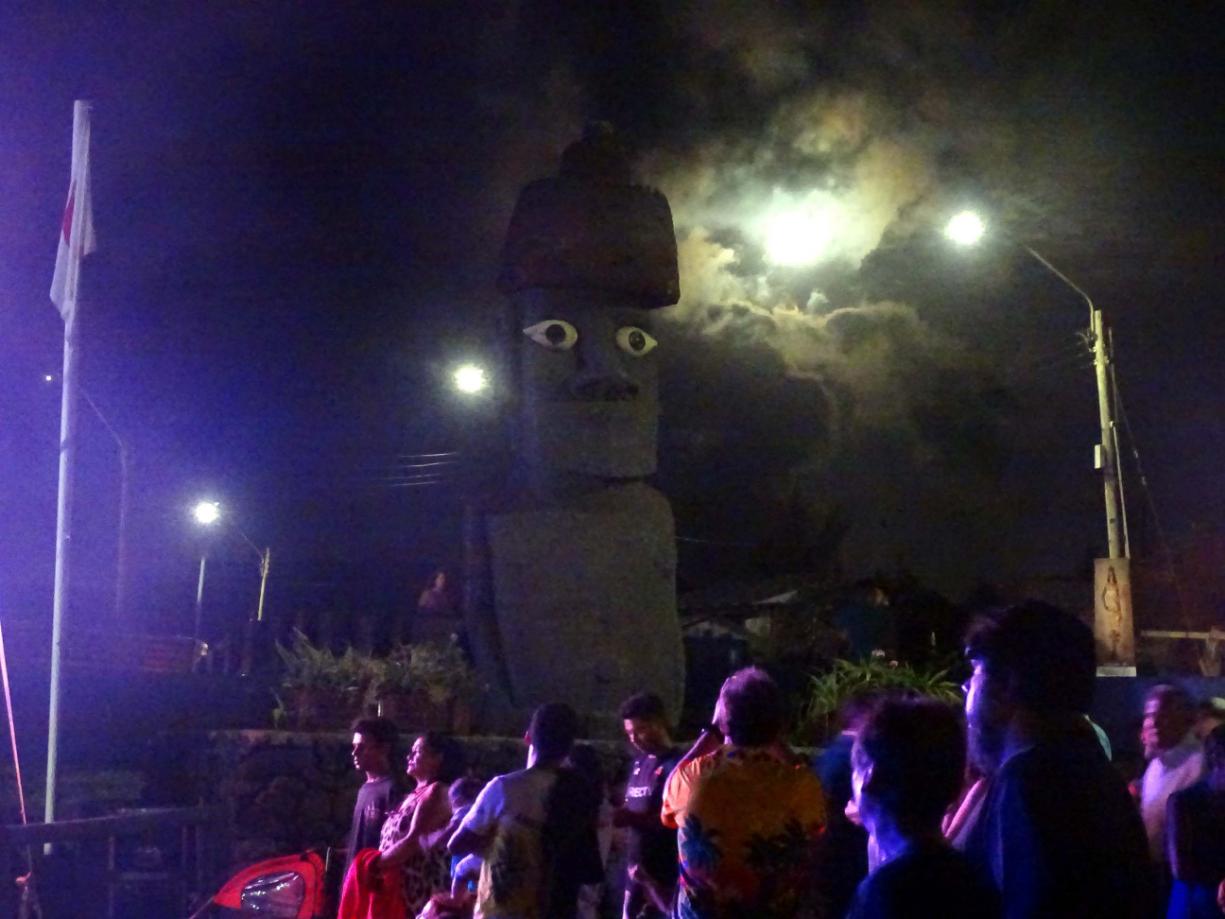
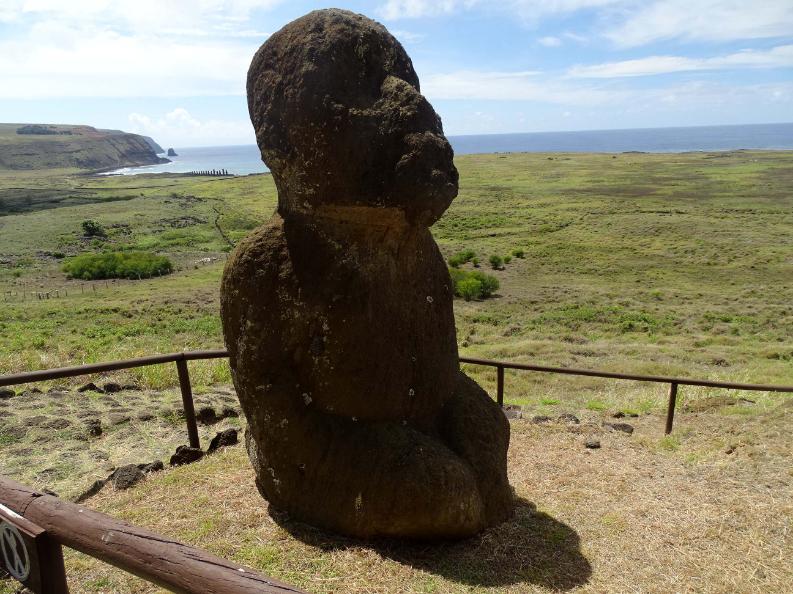
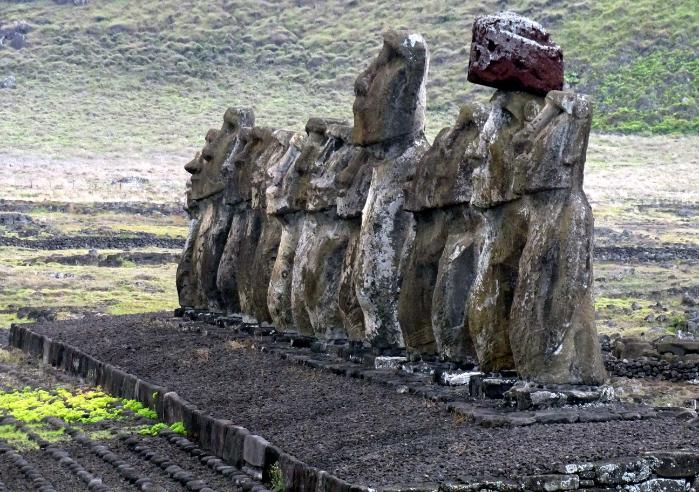
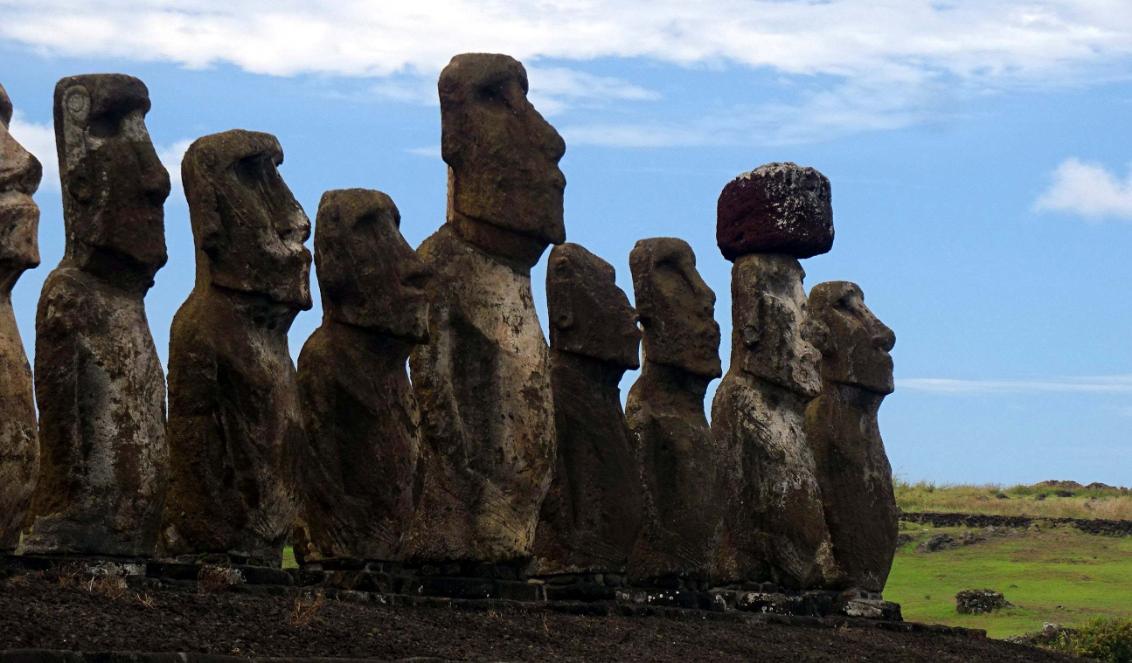
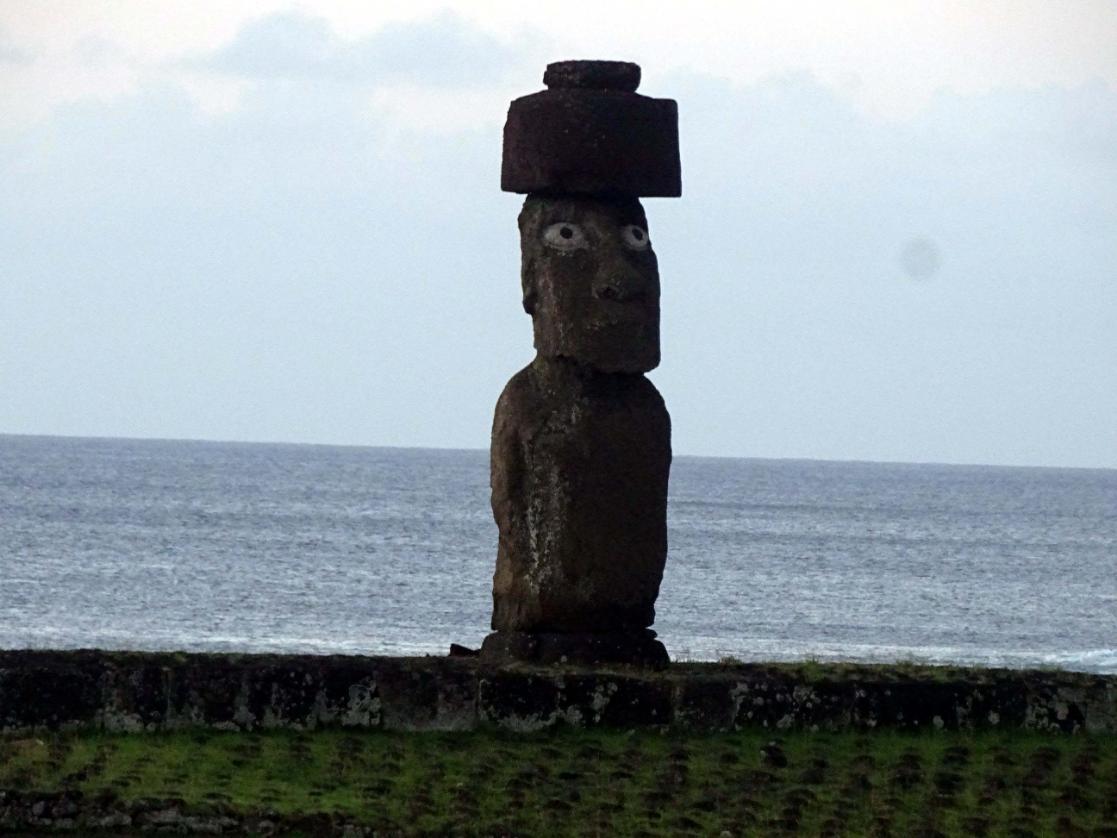
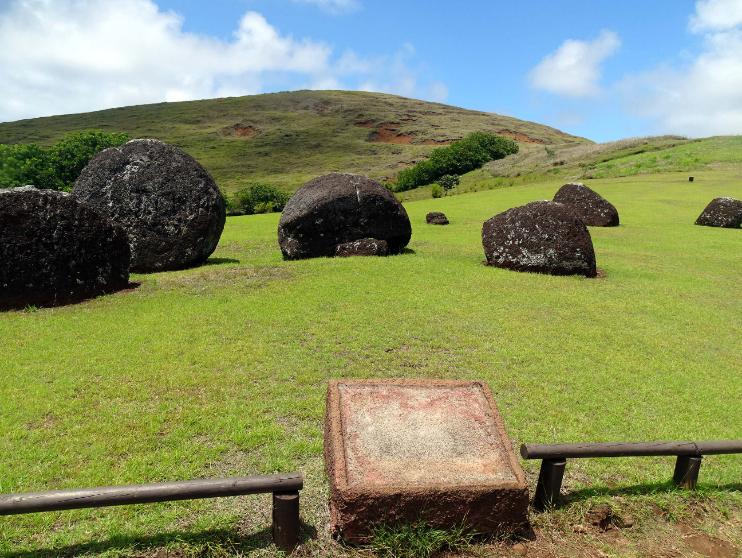
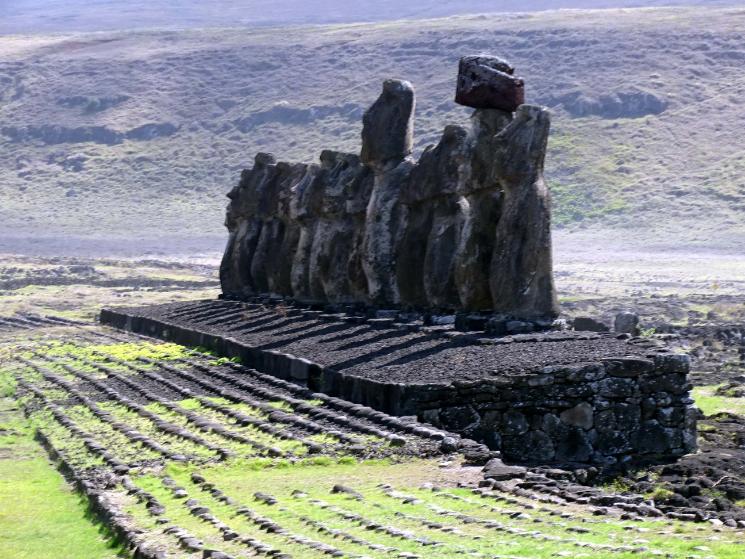
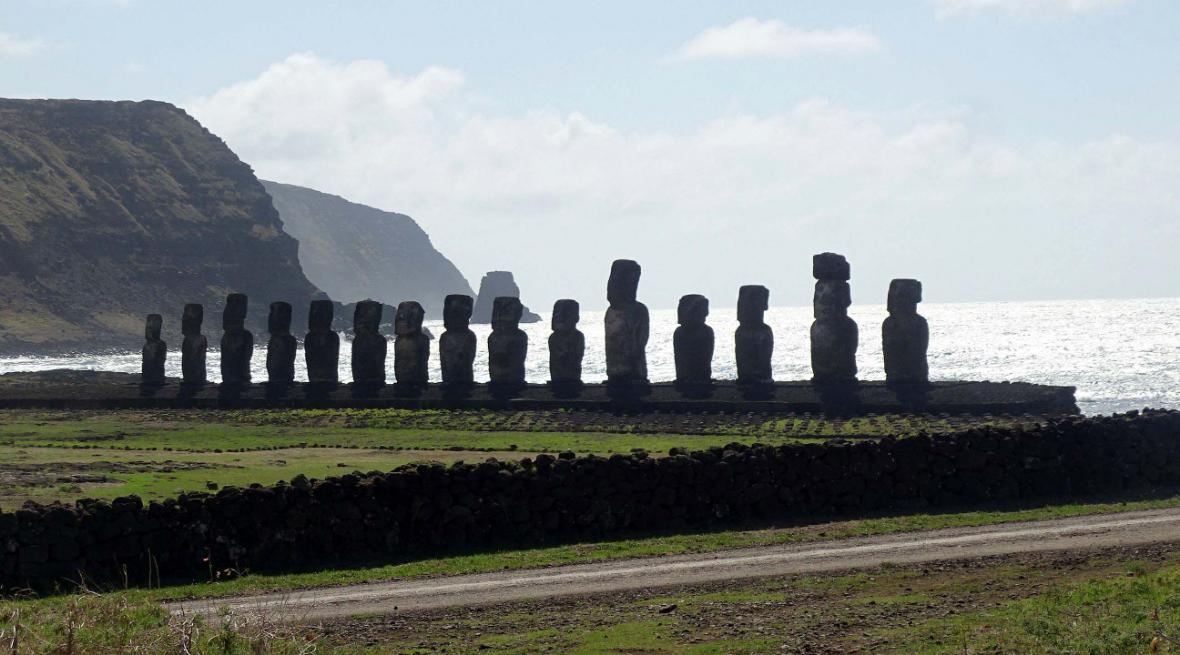
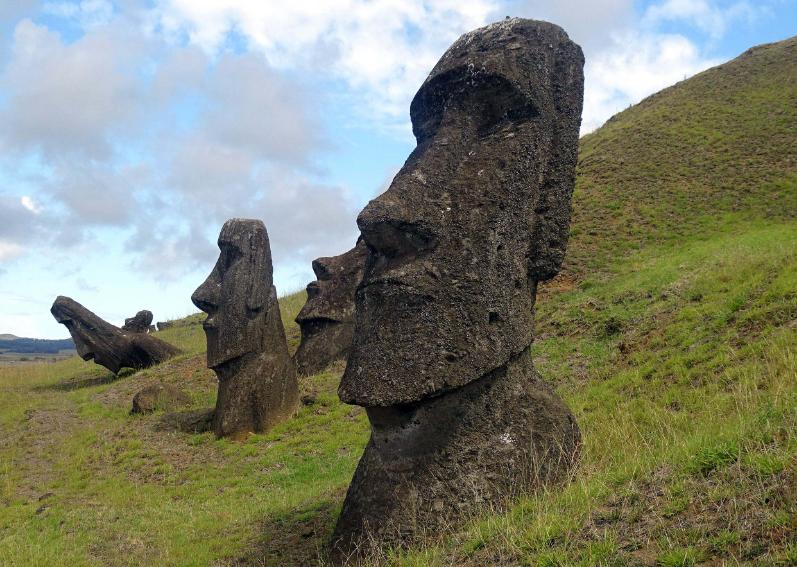
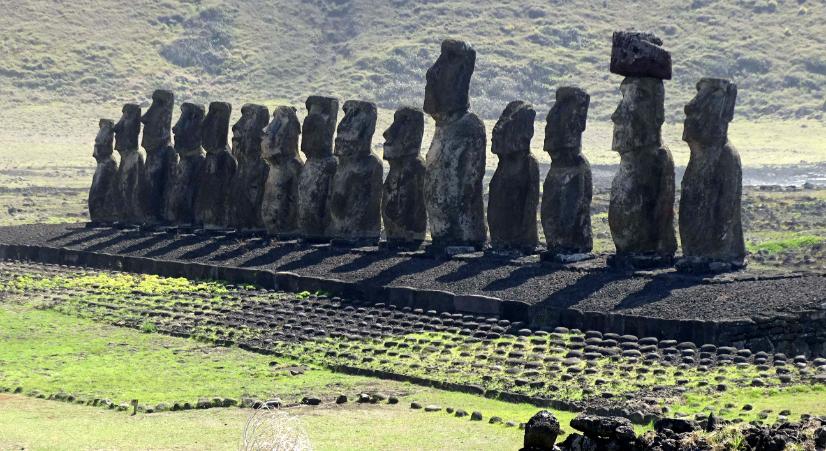
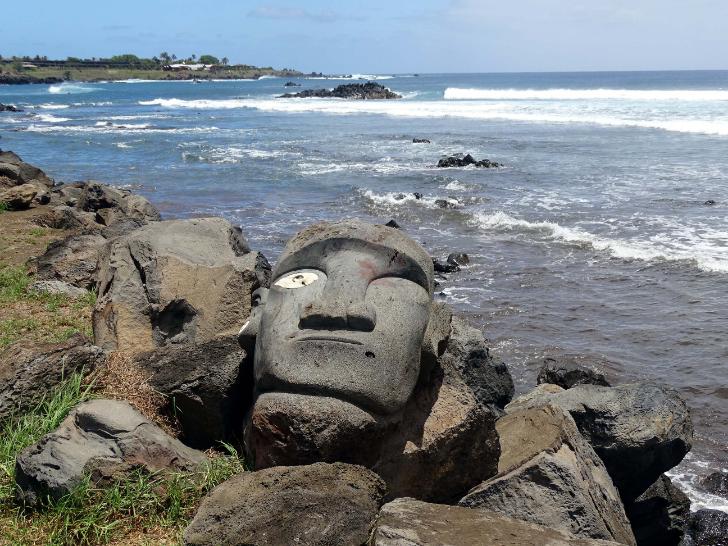
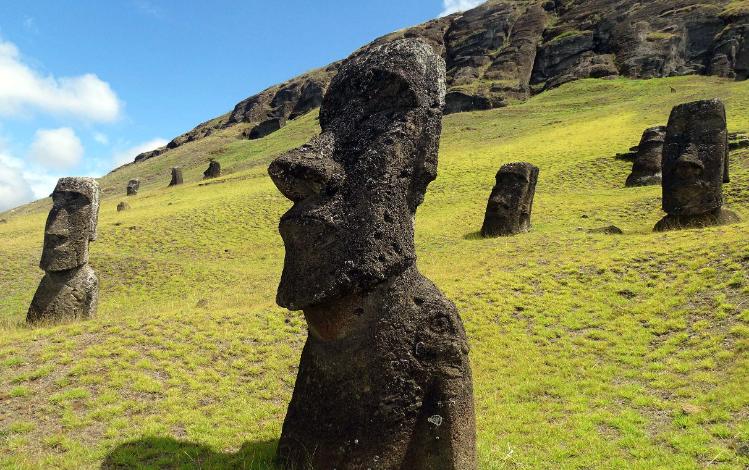
Moai are unique giant human-shaped stone statues carved by the local Indigenous people from the 13th to the 16th centuries. These statues are believed to represent the living faces of ancestors (aringa ora ata tepuna) who protect the community and symbolize status. Rapa Nui is called “Te Pito Te Henua” (The Navel of the World). The average statue is about 4 meters high and weighs 9–11 tons, made from volcanic tuff stone, with some of the largest reaching 10 meters and weighing over 80 tons. Hundreds of statues are placed on stone platforms (ahu) on the coast of the island, most of them facing the land, not the sea. Today, there are approximately 800 to 1,000 Moai scattered across the island, and most of the statues in Rapa Nui National Park are now protected as UNESCO World Heritage Sites.
Folklore says the Moai “walked” on their own, which is supported by archaeological research suggesting that the statues’ slightly curved shape allowed them to be moved by a swaying or “walking” technique using ropes. A team of archaeologists actually proved this theory by “walking” a stone giant a couple hundred feet. In the digital world, this symbol is known as the “moyai” emoji, originally inspired by a statue in Tokyo, but now synonymous with the stone statues of Easter Island and often used to express calm, stoicism, or a blank expression. Japan took an interest in Rapa Nui and helped develop technology to properly upright many of the fallen giants.
Our travels for the past 22+ years have been spurred on by an insatiable fascination to unravel the mysteries of our planet. Reading and studying the works of Childress, Lost Cities, or Forbidden Archaeology only opens Pandora’s Box further. The possibilities are endless. If we only knew the true history of our planet! Standing in awe, we realized that the “grey areas” in life are not for the faint of heart. And still we press on.
Legends tell of a time when greed and the need to impress rivals compelled the local inhabitants to build Moai. This obsession by the royalty brought the island’s civilization to its knees, permanently damaging both the culture and the environment. Other theories hint at the influence of aliens, while years of scientific archaeological studies showed how it was possible to carve the stone monoliths and literally walk them to their present outposts. Answers only pose more questions. And so the mystery remains unsolved. These quiet giants, with hearts of stone and lips tightly sealed, gaze unyielding over the vast ocean. Watching. Waiting.
As with many of our escapades, this adventure just unfolded before our eyes. Amazing what happens in your life if you remain open. A destination on our “bucket list,” Easter Island seemed elusive at best. First it was shut down completely for 3 years during COVID. Daily flights were stopped, and only supplies were allowed onto the island. During this time, the 5-hour flight down from Tahiti was discontinued, leaving only a horrendous flight from Asia to Tokyo to Miami to Santiago, Chile, where a once-weekly local flight was finally opened. Priority was given to residents. Normal flight searches came up empty continually, almost as if the route didn’t exist.
This was a challenge for a travel addict like me. The Moai were calling. There had to be a way! Finally, a random search yielded 2 seats. At 2 a.m. I grabbed the seats but found it impossible to complete the transaction with the airline. Finally, I discovered that if I booked as a local, the chances were better. My Spanish served me well as I completed the booking, only to have the credit card rejected. Visiting my kids in Hawaii and suffering from jet lag, the time difference allowed for a quick call to a Spanish-speaking friend in Bali. She helped check the reservation and used her credit card for payment. The local price of $300, compared to up to $2,000 paid by others, was a bonus. A booking from Hawaii, with a Spanish-speaking friend in Bali and her Dutch credit card, for local tickets from Santiago, Chile, to Easter Island only shows how perseverance (and VPN) paid off once again.
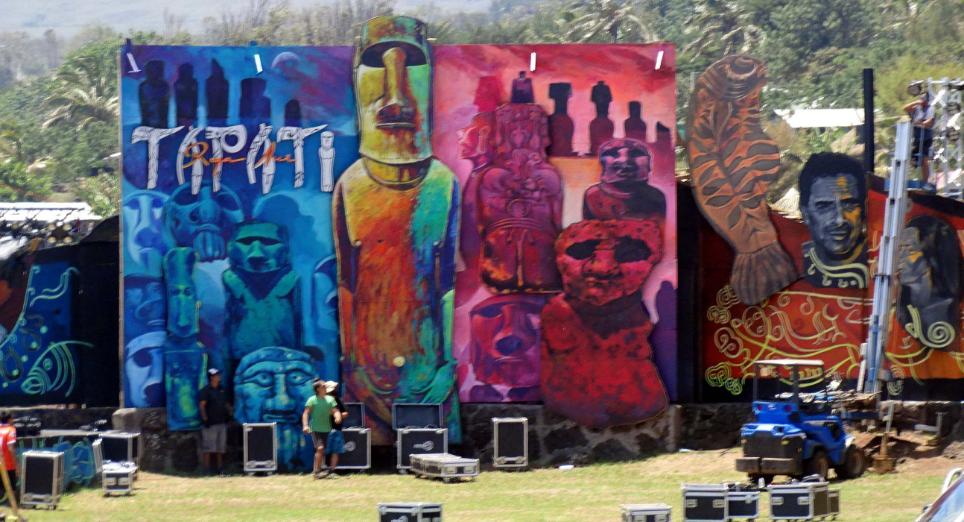
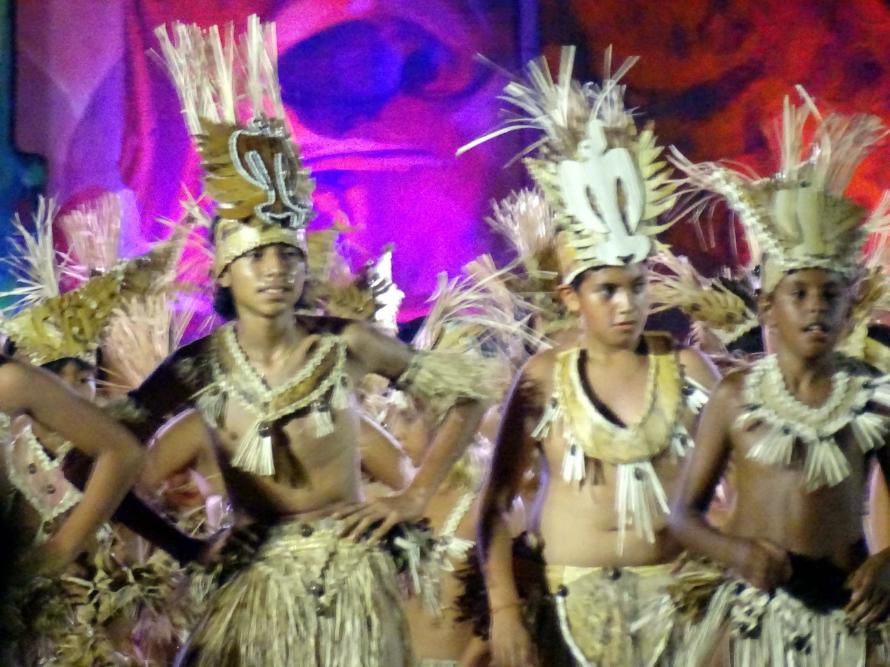
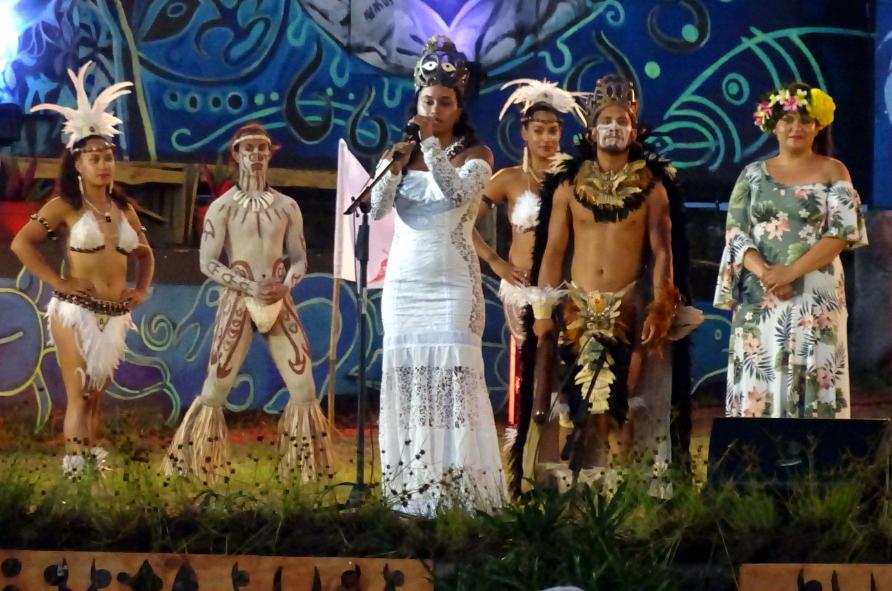
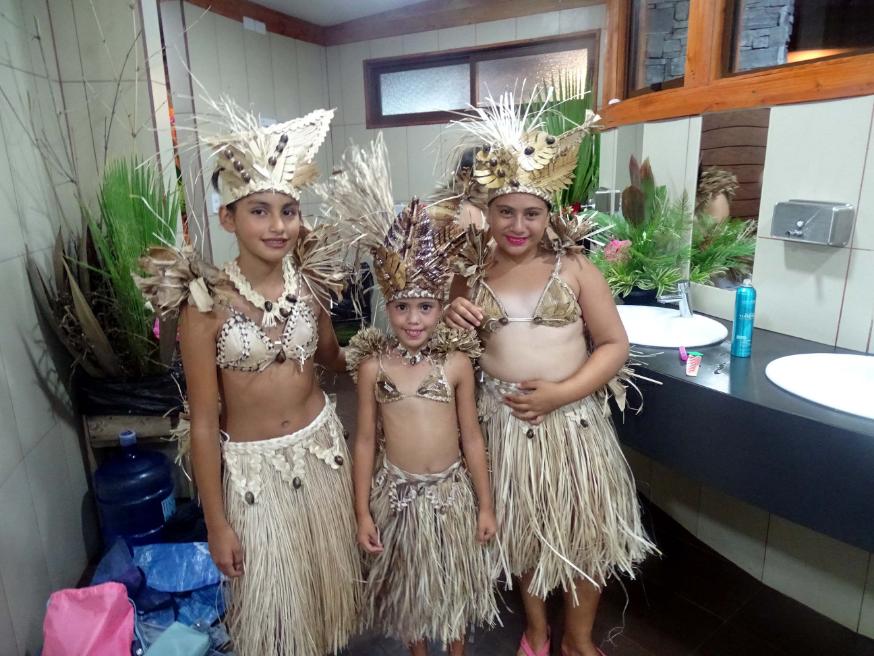
Away we went, only to find out that even more surprises were in store for us. Once a year, Rapa Nui literally closes down as their annual traditional song and dance festival, Tapati Rapa Nui, is held. Booked a year in advance, it is almost impossible to attend. We met people from Europe who had booked months in advance and paid premium prices just to partake in this amazing event. Hotels were all booked, and stores and restaurants closed as every resident participated in this lively cultural festival! Whether setting up in the shadow of the Moai or cooking food for the many stalls or performing traditional music or dances, everyone from preschoolers to elders was involved. We felt blessed to be called here to partake in the festivities, especially since we knew nothing about it in advance. Surprise!! We love life and its surprises!
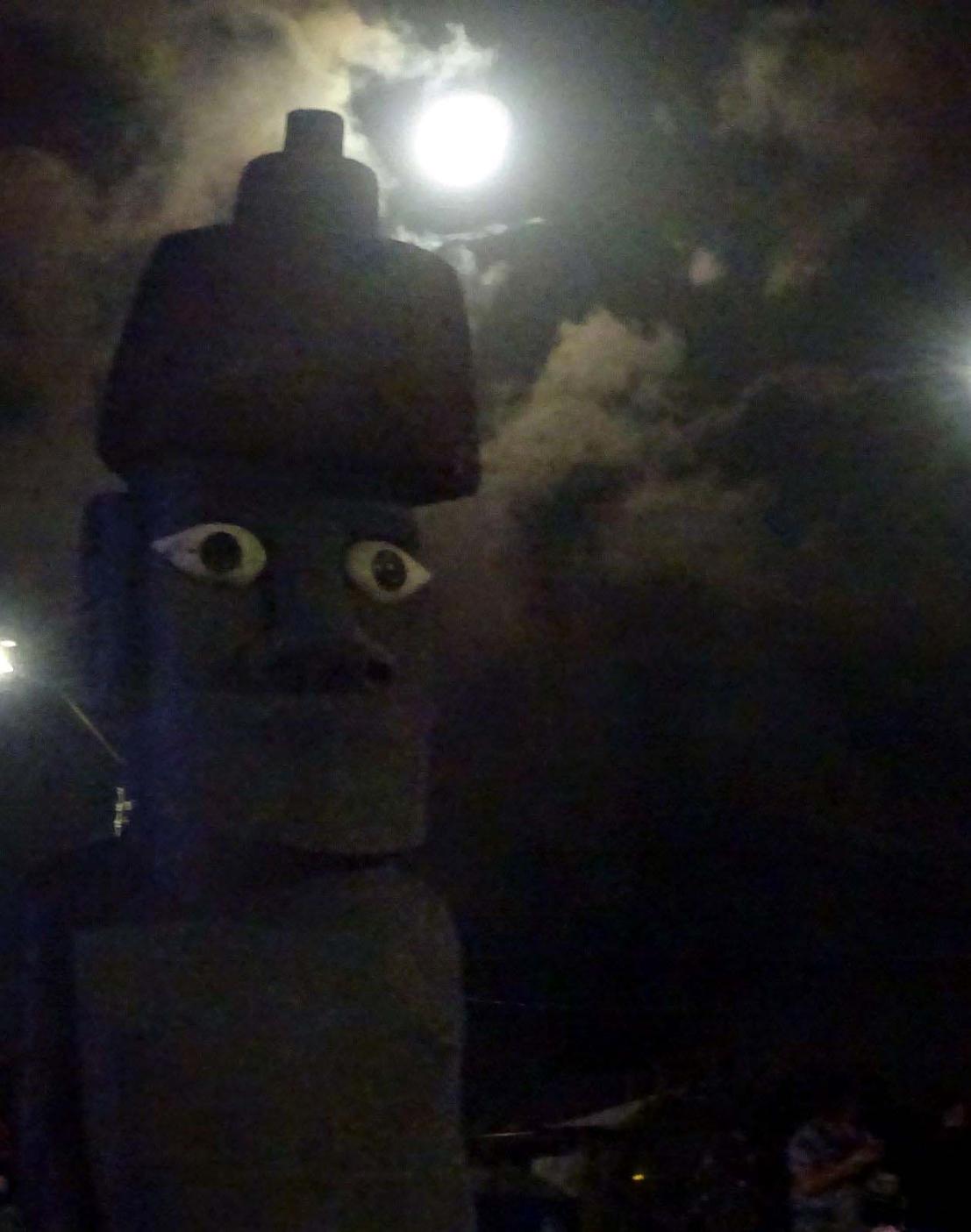
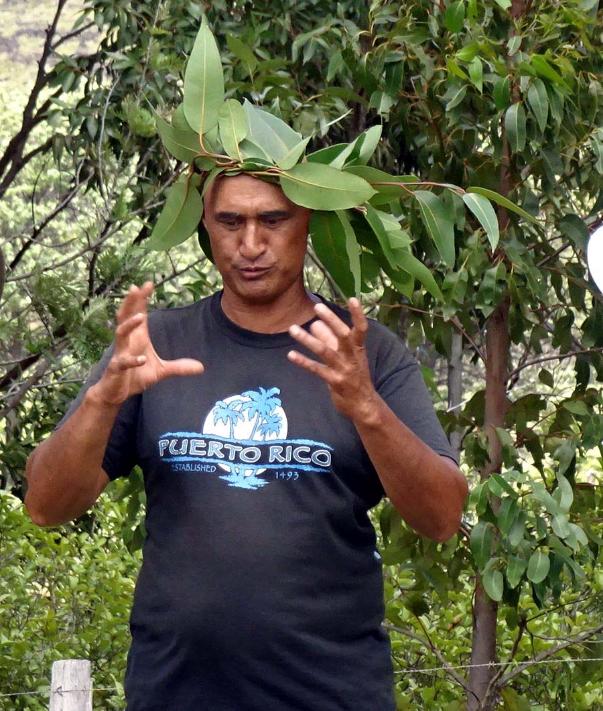
We were jostled from our booked hotel to a homestay about a mile from town. The owner was really friendly, and away we went for a day-long, in-depth look at Rapa Nui through the eyes of a local. The first time you set eyes on the Moai, you stand in awe, captured in their spell of illusion. We explored every square inch of this small island over the next week and at night walked into town to partake in the singing, dancing, and crafts of this unknown culture.
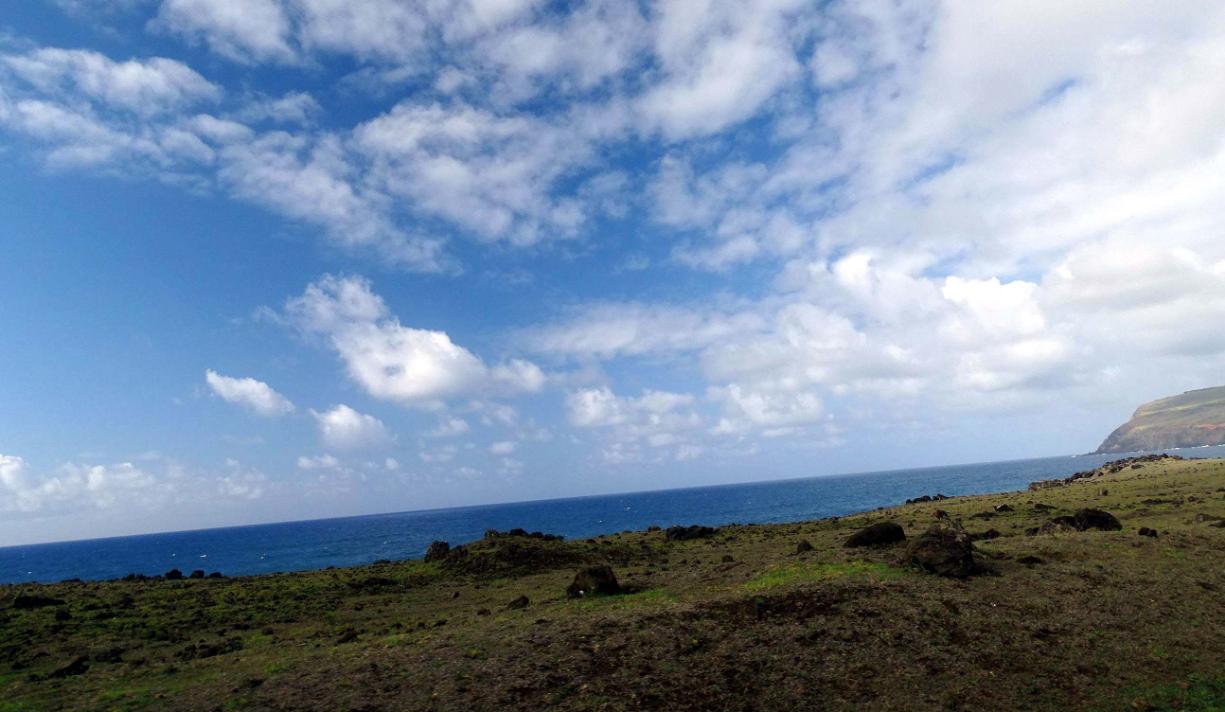
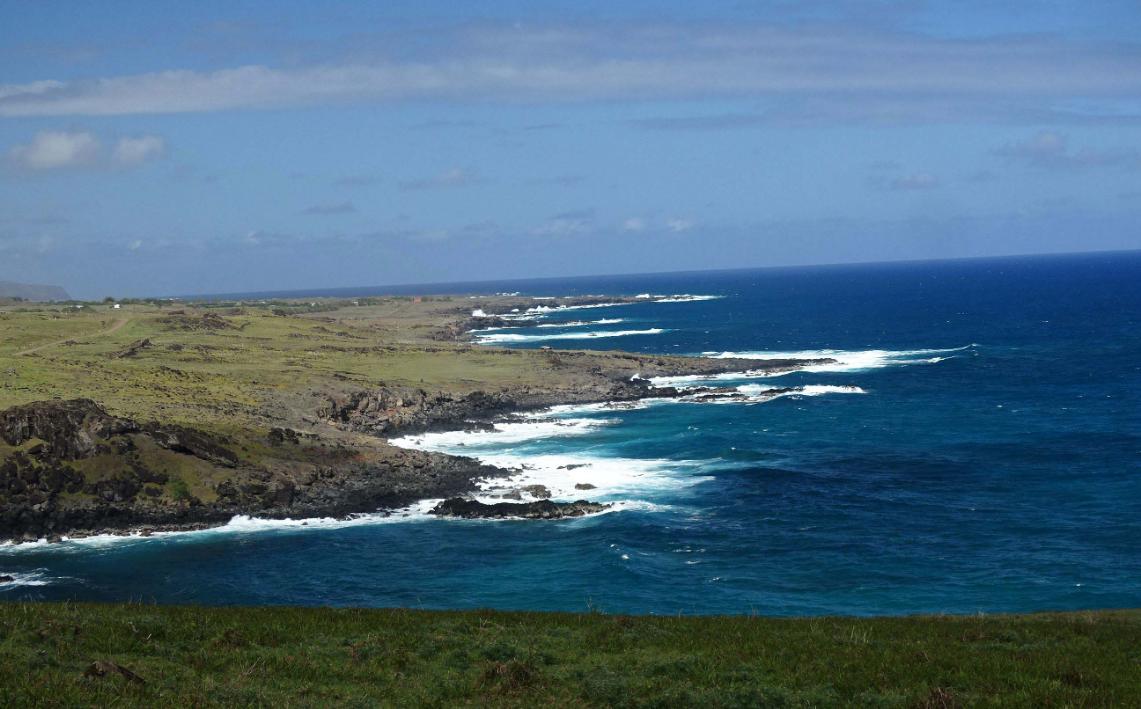
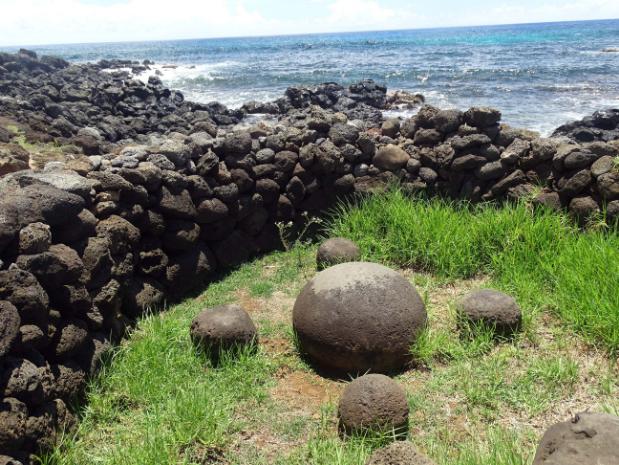
Stunning remote beaches, windswept fields, ancient hilltop fortresses, crumbling village ruins — all desperately trying to tell their story. Muted by years of silence. Only a handful of residents, an endless stream of unanswered questions, and the lonely, unyielding Moai sentinels remain, guarding their watch to the bitter end.
Love, Light & Laughter,
xo Nancy & Joseph
TRAVEL NOTES:
Standard greeting in Rapa Nui is: “¡Iorana!”
Hotels: Anywhere
Go to Agoda.com or Booking.com or Google.com compare prices and special deals. We usually can find an offer for 75% off discount and away we go! Booking ahead has advantages like lower prices and availability but it also limits your spontaneity. I remember in Asam, finding a quiet little room with a good view in the Carolina Mountains. We woke up and decided to enjoy the view another couple days. That day, the train we were supposed to catch was attacked by insurgents with machine guns. Eight people killed. And we didn’t even know there was a conflict. Spontaneity really pays off sometimes!
Book far in advance for best hotels or cabanas. Try to get a place within 1km from the town center. A good town to walk around. We had one hotel cancel our reservations for no reason and we had to scramble to book another. We lost our deposit with Booking.com and we swore never to use them again – but of course we would always take the best deal available.
Avoid Manuto Cabanas– had a little scam going with the taxes and exchange rate. Our good friend, Manuto, was fun in the beginning and we had a great tour. Then he wanted us to fill up the gas tank and pay double for the second day. So we just marched to a local company and had a wonderful day with a small van tour.
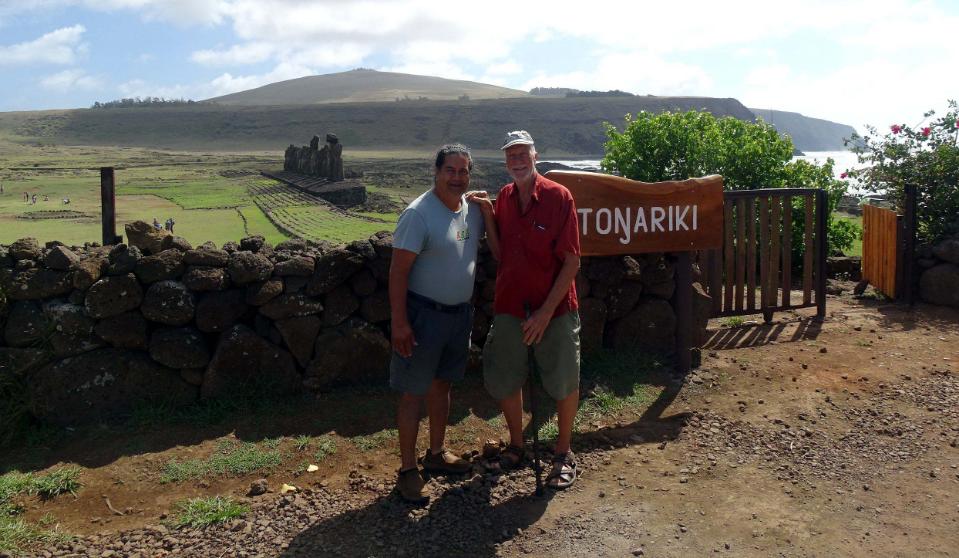
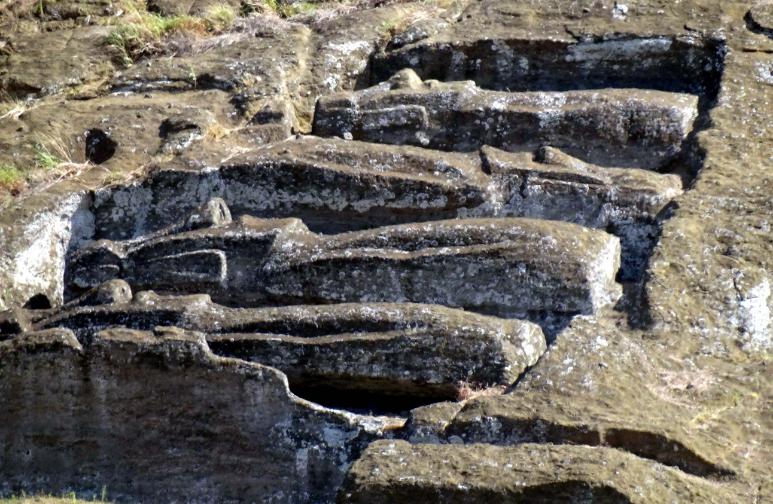
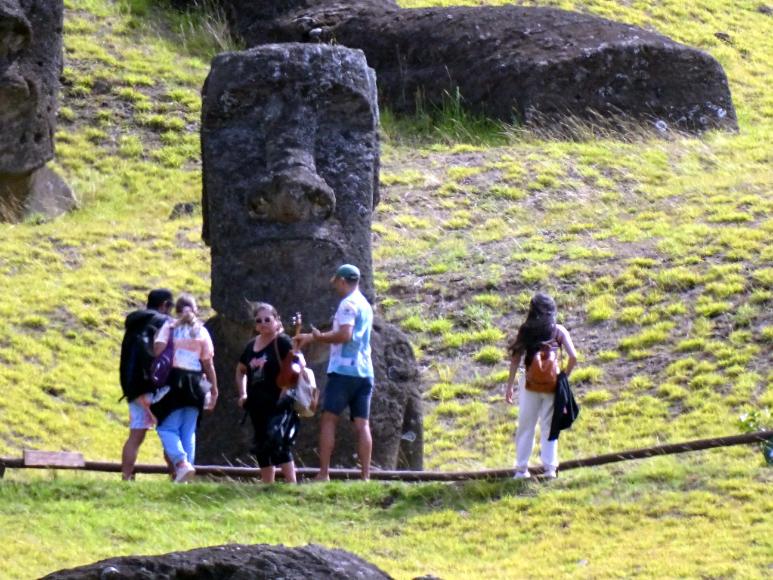
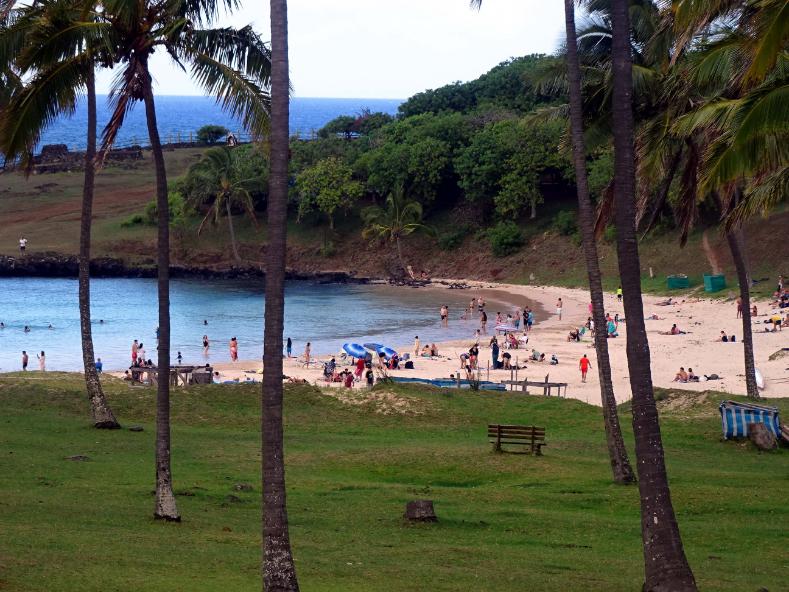
There are dependable small van tours, reasonable prices, visiting Anakena Beach, Ahu Tongariki (15 Moai) and Rano Raraku (the quarry). Do your research and either rent a guide for the day through the local tourism office or go on a guided trip. Rent a car and drive around one day. There are still some sites that do not require a guide escort. $80 entrance into the park.
We cooked most of the week. One small grocery store grabbed all the fruits and vegetables from the twice weekly plane delivery. We arrived that same day and snagged our weeks supplies. Good restaurants were rare, and expensive. We ate at the food stalls during the festival.
Enjoy more of Rapa Nui!
Click to enlarge images - X to return