Sub Antarctica
Click to enlarge images - X to return







Discover Sub Antarctica
“At the end of the world, the light changes. And so do we.”
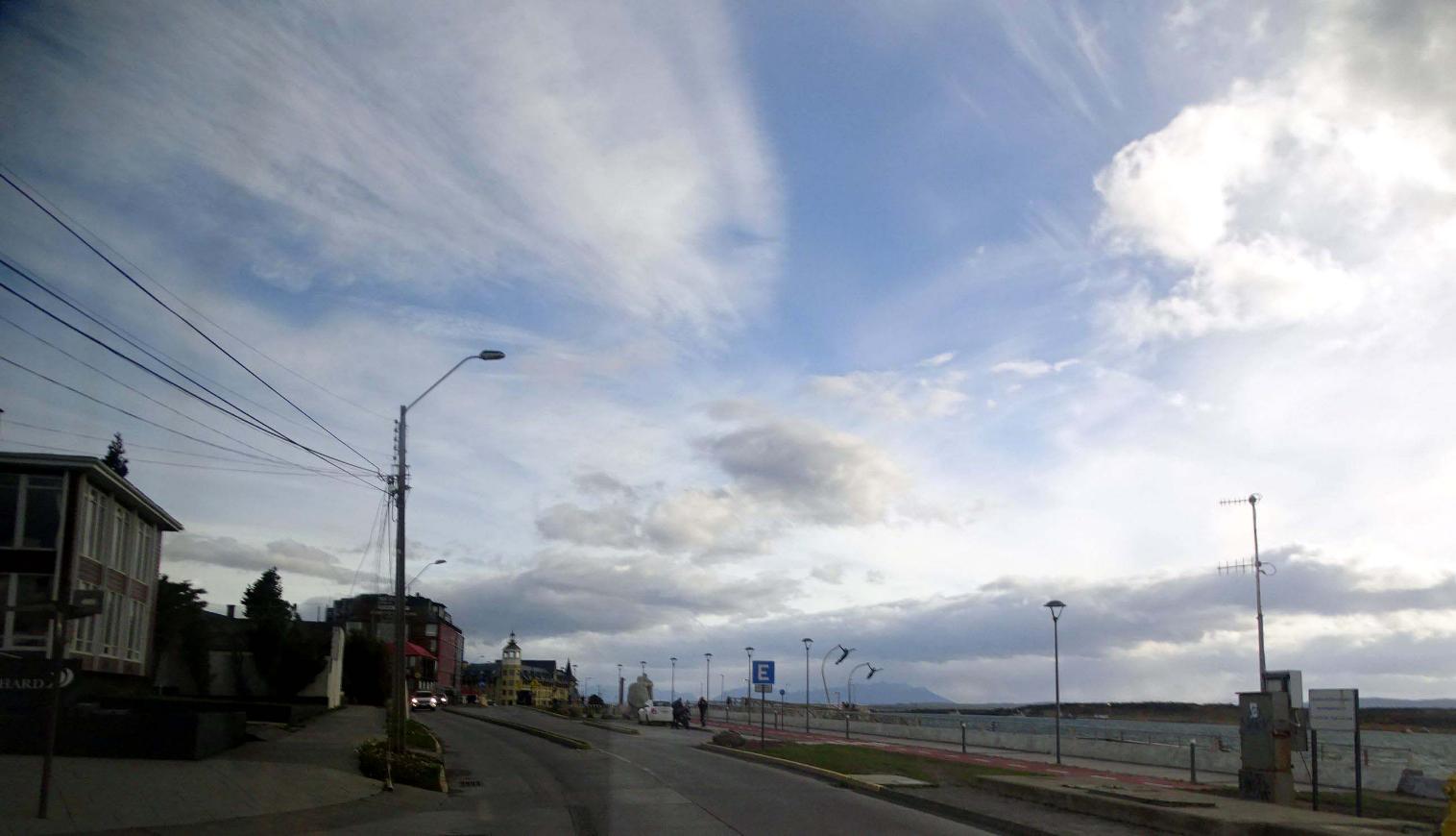
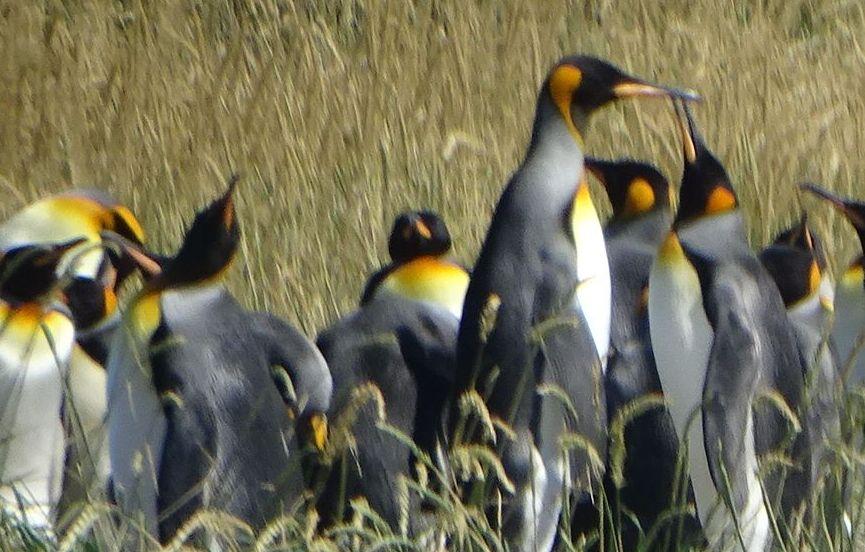
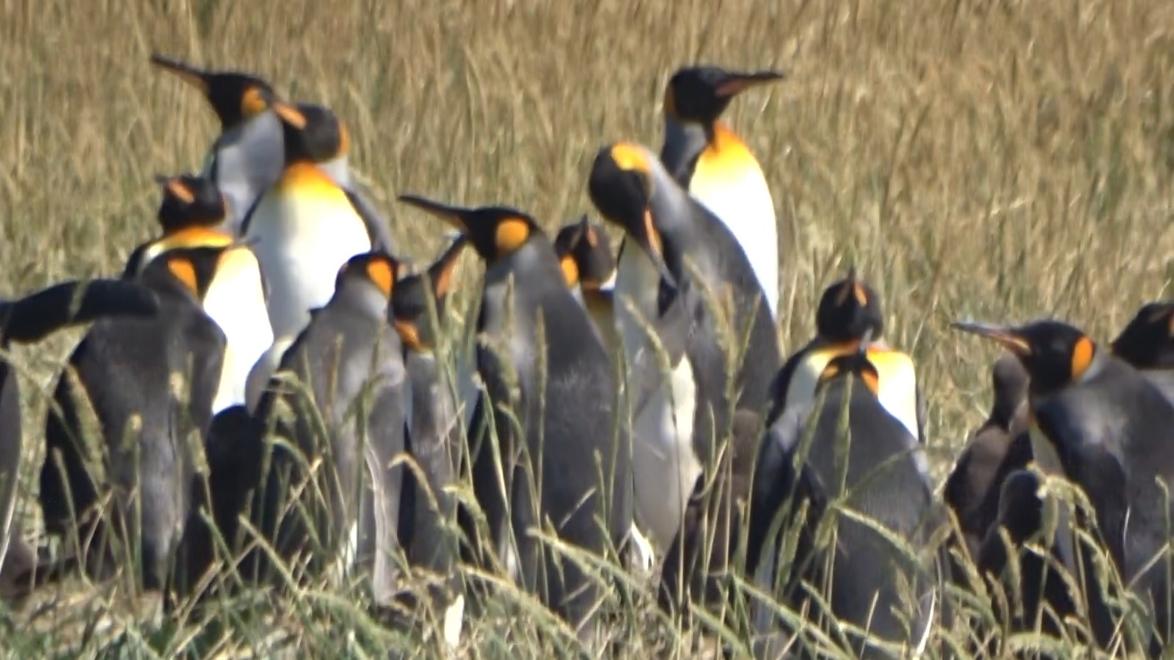
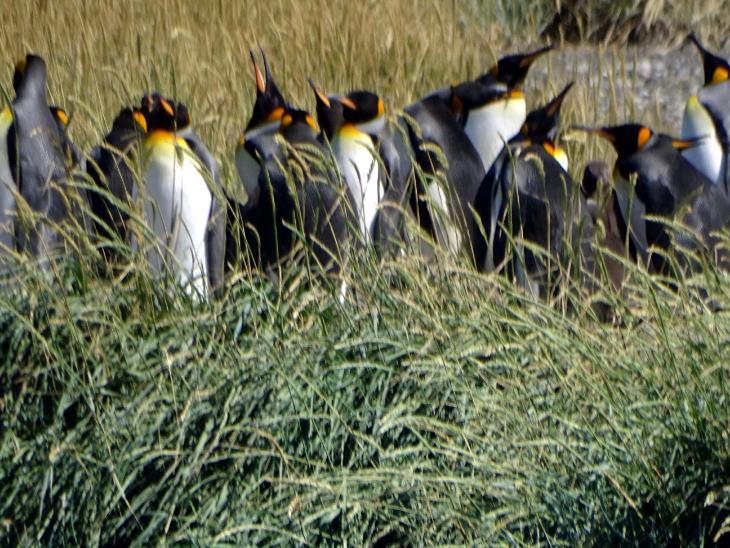
Penguins. King penguins at that. The winds howled through the barren streets of Punta Arenas. Our first tour to a remote island was cancelled due to high seas. It seems that 75% of these tours are cancelled because of dangerous, choppy seas. We pulled our Hawaiian weather trick out of our hats, and off we went to Tierra del Fuego.
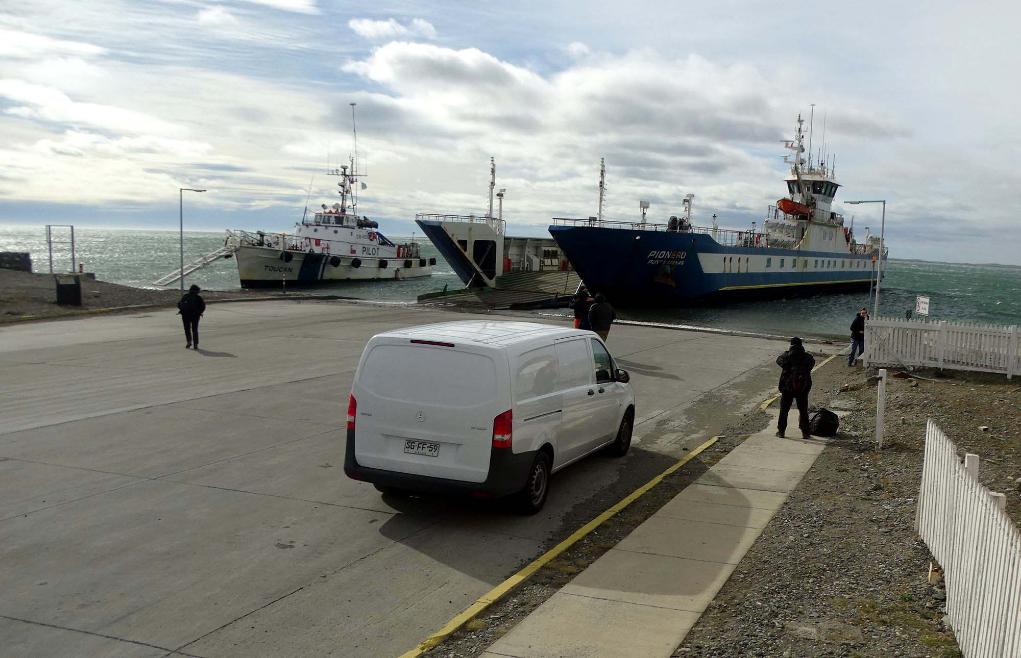
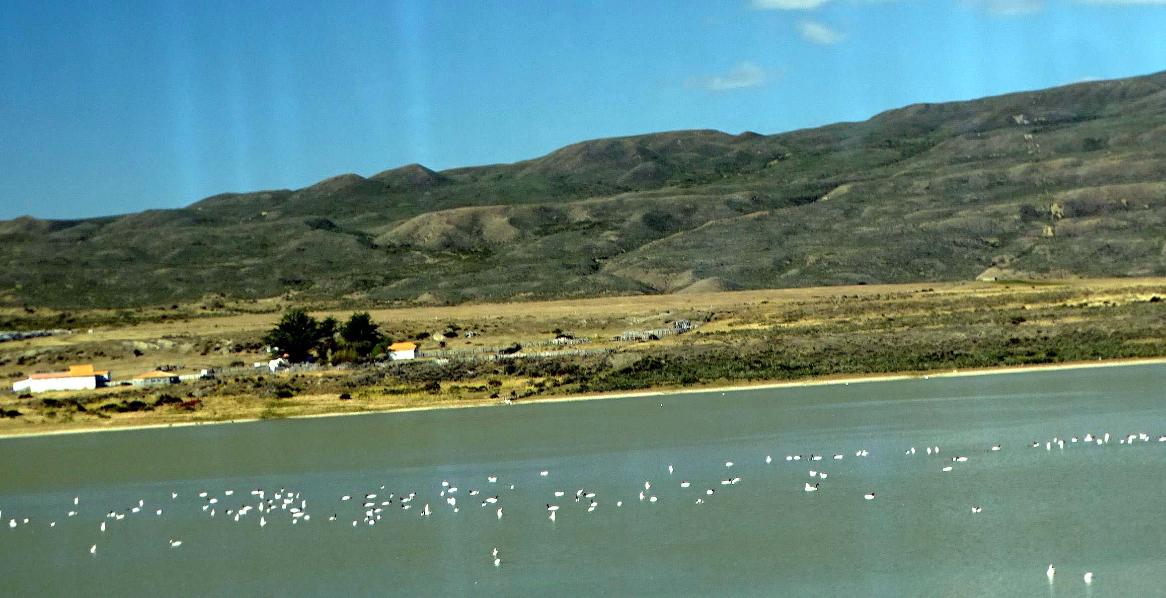
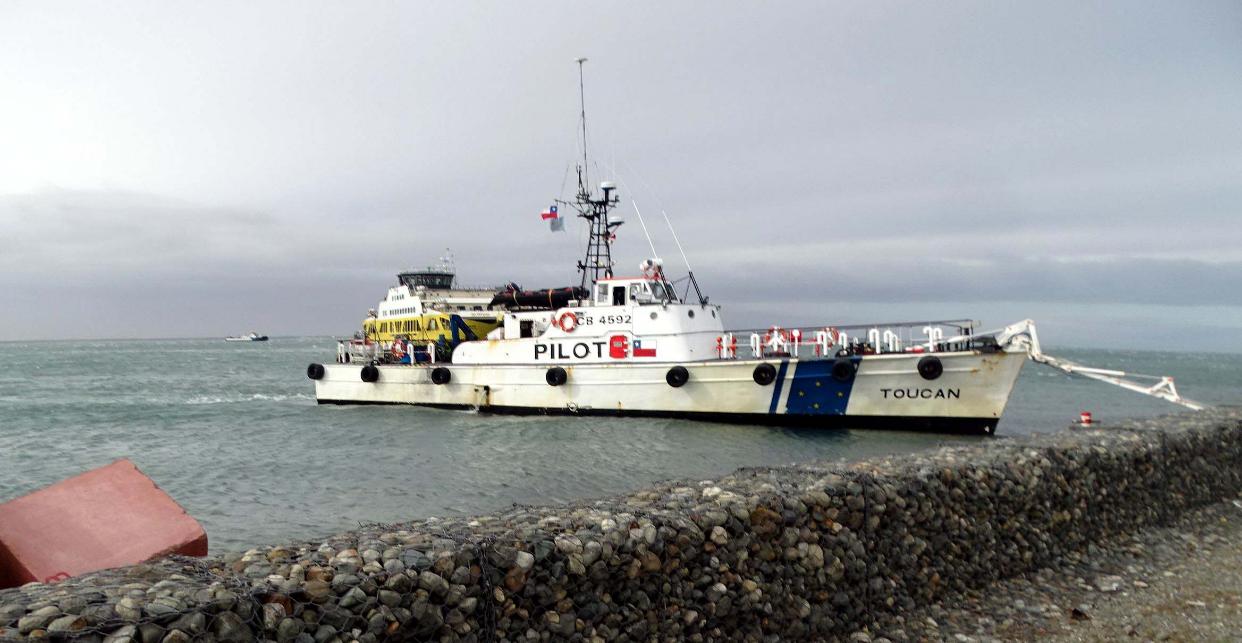
Tierra del Fuego, often called “The Land of Fire” or “The End of the World,” is defined by its dramatic, icy, and remote nature at the tip of South America. It is known for its intense winds, gnarled trees, and deep solitude. Next stop, Antarctica! Crossing the Strait of Magellan was rough but bearable. Our guide said he had never seen a full day of sunshine on a tour before. Fellow travelers thanked us!! Our first stop was Parque Pingüino Rey, or King Penguin Park.
What an astonishing sight! We quietly walked along a hidden path into an observation blind. From there, we could freely observe families of stately, three-foot-high birds with their little grey fuzzy babies, playing and enjoying the good weather. Penguins must take to the ocean to find fish to eat. Unfortunately, they are also part of a vicious food chain and regularly get chomped by seals and sharks.
On one such fishing trip, a group of king penguins was chased ashore by seals. They didn’t have to “pop up” on the ice here because a shallow rock shelf prevented the large predators from coming close to shore. A true safe haven in the cold, cruel seas. This colony resettled here years ago from Antarctica and has thrived. A park was established to protect these wayward penguins from harm by humans, and it provides a one-of-a-kind opportunity to observe them in the wild.
We all have visions of being able to observe penguins up close and personal in Antarctica. The reality of the situation is quite a different story. I did serious research to see what options were available. Cruise ships sail by the “White Continent,” and although the glaciers and snow masses are exhilarating, very few people are allowed to actually set foot on land. Penguins are often just small black specks on the distant shore.
A few lucky people are granted permission to land while on expensive adventure, scientific, or exploratory trips. Smaller cruise ships are allowed a closer look, but they must first sail through the stomach-wrenching seas to even get close. Another option is to fly into King George Island and take a small research boat to Antarctica. That small island, located in the South Shetland Islands, has the Frei Municipal Airstrip, where charter flights from Punta Arenas land for “fly/cruise” itineraries that connect directly to polar vessels. All these options are expensive — around $2,000 a day, or at least $15,000–$20,000 for a six- to nine-day cruise.
Everything hinges on the weather. Even in the summer, many trips are cancelled due to bad weather or dangerous conditions. When paying these high fees, everyone must sign a waiver stating that participation is at your own risk and the company is not responsible for inclement weather. When flying back to Santiago, we felt sorry for a group of well-to-do travelers waiting for the clouds to clear on King George Island for the third day in a row. Each day, they watched thousands of dollars slipping down the drain and mourned the possible loss of the adventure of a lifetime. All dressed up and nowhere to go!
Our small van tour of Tierra del Fuego was unique and fascinating. Like the rest of the sub-Antarctic, the towns are almost deserted, with people used to remaining inside most of the time. We were amazed that more people weren’t out enjoying the sunshine! We stopped for a home-cooked meal at a town hall. Someone’s auntie had spent all morning getting ready for us, and it was a fun experience.
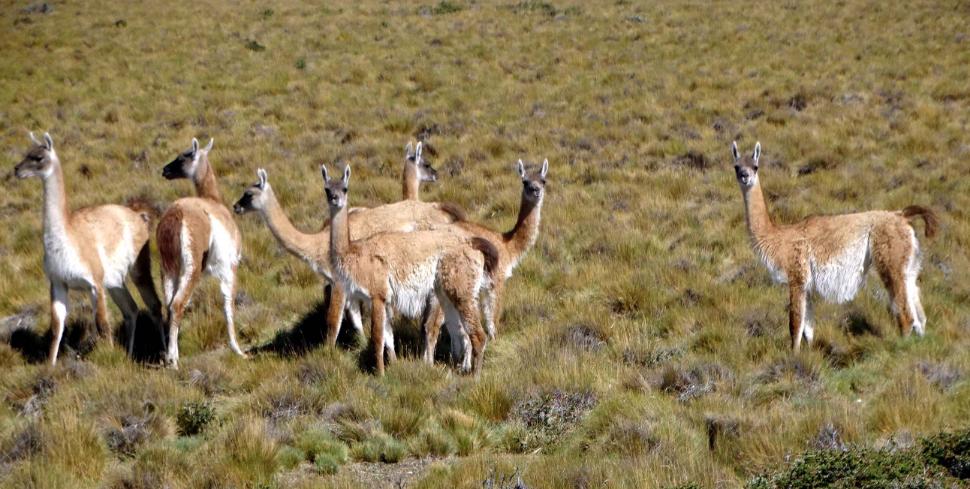
Later we learned about the Selk’nam Tribe. Surviving for generations in this harsh climate is almost incomprehensible. The Selkʼnam (also known as Ona or Onawo) were a tall, nomadic people who lived in the interior of Isla Grande de Tierra del Fuego, hunting guanacos and foxes. They are especially remembered for their complex body painting, spiritual ceremonies, and dramatic ceremonial costumes.
Much of what survives about their culture is tied to the Hain ceremony, a rite of passage involving elaborate masks and body paint. Their language, part of the Chonan family, was central to their culture but was passed down orally rather than through a strong written tradition. Sadly, specific, widely documented Selk’nam greetings are not easy to find today because the language became critically endangered and lost its last fluent speakers in the 20th century. Even so, a small group of descendants in Chile and Argentina is now actively working to recover and revitalize their history, language, and culture.
Arriving back at Punta Arenas 16 hours later, we were on system overload. Tierra del Fuego satisfied our hunger to learn more about this cold, unknown end of the world.
Love, Light & Laughter,
xo Nancy & Joseph
TRAVEL NOTES:
In rural areas of southern Chile and Argentina, the Mapuche greeting is: “Mari mari”
Punta Arenas:
Hostal Aventura Austral
Run by Papa and his friendly sons. Clean, warmed with radiators, bright rooms with a fully functional kitchen. Warm scrambled eggs and toast are welcome every morning. About 8 blocks from downtown.There are several small tour companies in town. Do your research. Flexibility is the name of the game. A bit like Russian roulette. If one of your tours cancels due to weather conditions you may be stuck standing, waiting for the notice given 1 hour prior to departure. At that point if you have done your research – there is a chance that you can book a different tour or with a different company for a couple of hours later. Saves being ‘all dressed up and nowhere to go!’ Several people we met missed out on Tierra del Fuego or penguins because they worked out a perfect schedule before flying out – and the weather here does not cooperate. Unless you are from Hawaii that is!! |
Enjoy more of Sub Antarctica!
Click to enlarge images - X to return